
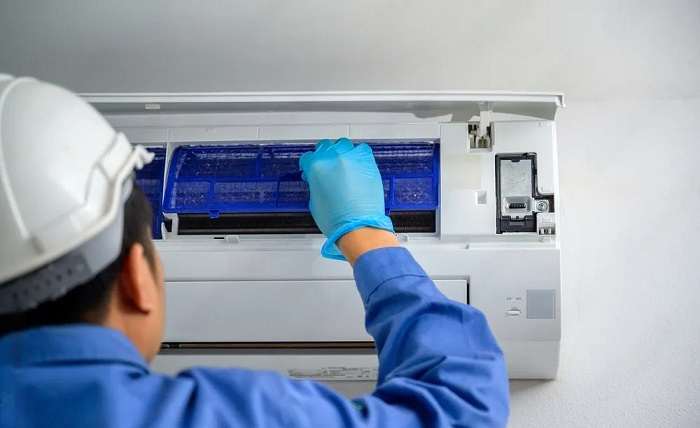
Air conditioners are essential for maintaining comfort in homes and offices, especially during the hot summer months. However, like any other appliance, they can develop issues over time. One common problem that many homeowners face is water drips and drain problems. These issues can lead to water damage, mold growth, and reduced efficiency of the air conditioning unit. Understanding the causes and solutions for these problems is crucial for maintaining the longevity and performance of your air conditioner. This article will delve into the common causes of water drips and drain problems, how to identify them, and the steps you can take to resolve these issues effectively.If your air conditioner is leaking water, it might be due to a clogged drain line or a malfunctioning condensate pump. Regular maintenance can prevent these issues, ensuring your system runs smoothly. However, if you notice persistent problems, it might be time to consult a professional. They can diagnose and fix the issue efficiently, saving you from potential water damage. For those interested in understanding more about maintaining their HVAC systems, it’s beneficial to explore expert resources. Learn more about how to keep your air conditioner in top shape and avoid common pitfalls that lead to costly repairs. Taking proactive steps now can extend the life of your unit and enhance its performance.
Common Causes of Water Drips
Water drips from an air conditioner can be a sign of several underlying issues. One of the most common causes is a clogged condensate drain line. The condensate drain line is responsible for removing the moisture that the air conditioner extracts from the air. Over time, this line can become clogged with dirt, dust, and mold, preventing the water from draining properly. When this happens, the water can back up and start dripping from the unit. Another potential cause of water drips is a damaged or rusted drain pan. The drain pan collects the condensation from the evaporator coil, and if it is damaged, it can lead to leaks. Additionally, improper installation or a lack of regular maintenance can also contribute to water drips. Ensuring that your air conditioner is installed correctly and maintained regularly can help prevent these issues.
Identifying Drain Problems
Identifying drain problems in your air conditioner is crucial for preventing further damage. One of the first signs of a drain problem is water pooling around the indoor unit. This can indicate that the condensate drain line is clogged or that the drain pan is overflowing. Another sign to look out for is water stains on the walls or ceiling near the air conditioning unit. This can be a sign of a leak that needs to be addressed immediately. Additionally, if you notice a musty smell coming from your air conditioner, it could be a sign of mold growth due to excess moisture. Regularly inspecting your air conditioner for these signs can help you catch drain problems early and prevent costly repairs.
Solutions for Water Drips and Drain Problems
Addressing water drips and drain problems in your air conditioner requires a systematic approach. First, check the condensate drain line for any clogs. You can do this by using a wet/dry vacuum to remove any debris that may be blocking the line. If the line is clear and the problem persists, inspect the drain pan for any signs of damage or rust. Replacing a damaged drain pan can prevent further leaks. Additionally, ensure that your air conditioner is level, as an uneven unit can cause water to pool and overflow. Regular maintenance, such as cleaning the evaporator coil and changing the air filter, can also help prevent water drips. For more complex issues, it may be necessary to consult a professional technician. Click here to learn more about professional air conditioner repair services.
Importance of Regular Maintenance
Regular maintenance is essential for preventing water drips and drain problems in your air conditioner. By scheduling routine inspections and cleanings, you can ensure that your unit is functioning efficiently and catch any potential issues before they become major problems. During a maintenance visit, a technician will clean the evaporator coil, check the refrigerant levels, and inspect the condensate drain line for any clogs. They will also check the overall condition of the unit and make any necessary repairs. Regular maintenance not only helps prevent water drips and drain problems but also extends the lifespan of your air conditioner and improves its overall performance.
Professional Repair Services
When dealing with persistent water drips and drain problems, professional repair services can be invaluable. A qualified technician has the knowledge and tools to accurately diagnose and fix the issue. They can identify the root cause of the problem and provide a long-term solution. Whether it’s a clogged drain line, a damaged drain pan, or an installation issue, a professional can ensure that your air conditioner is repaired correctly. Additionally, they can offer advice on how to maintain your unit and prevent future problems. Investing in professional repair services can save you time and money in the long run by preventing further damage and ensuring that your air conditioner operates efficiently.
Conclusion
Water drips and drain problems in air conditioners are common issues that can lead to significant damage if not addressed promptly. Understanding the causes and solutions for these problems is essential for maintaining the efficiency and longevity of your unit. Regular maintenance and inspections can help prevent these issues, while professional repair services can provide a reliable solution for persistent problems. By taking proactive steps to address water drips and drain problems, you can ensure that your air conditioner continues to provide comfort and efficiency for years to come.

