
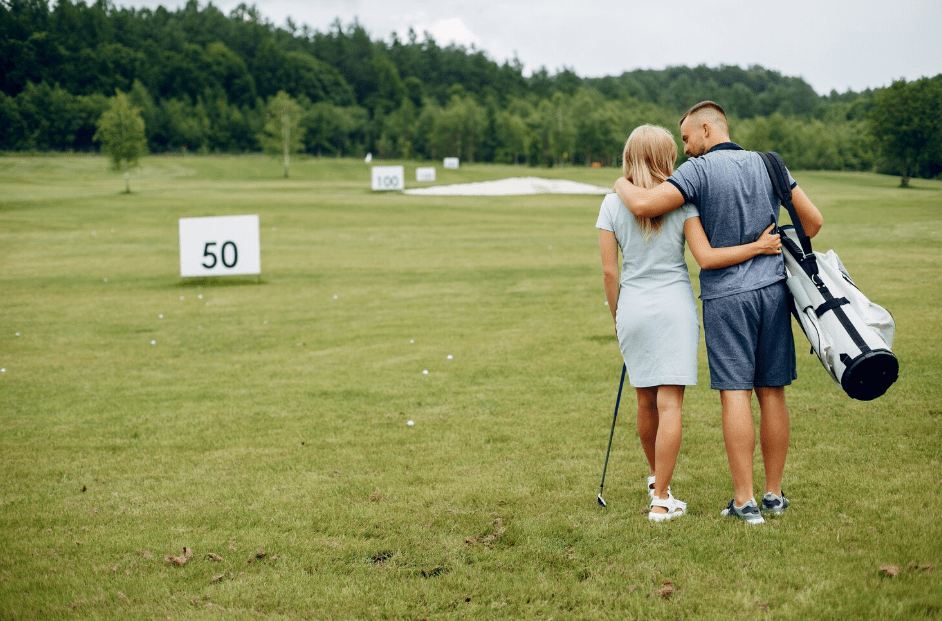
Retirement offers seniors ample time to explore activities that blend light exercise with genuine delight. Among today’s choices, miniature golf shines as an easy-to-learn pastime filled with bright colors and playful obstacles.
Courses appear in parks, commercial centers, and even modern assisted living communities, inviting seniors to guide a small ball through fanciful tunnels without stressing joints. A simple putter, a cheerful setting, and friendly company quickly transform ordinary afternoons into memorable adventures.
An Accessible Adventure for All Skill Levels
Miniature golf respects the varied mobility levels present among seniors, offering flat walkways, handrails in strategic spots, and lightweight putters that reduce wrist strain. Unlike regulation golf, no long drives or uneven fairways demand athletic prowess; steady aim matters more than brute force.
Players who rely on canes, walkers, or wheelchairs can still compete by adjusting tee positions or taking fewer strokes. Because every hole promises a whimsical design, seniors focus on enjoyment rather than limitations, boosting self-confidence with each successful putt.
Physical Benefits Wrapped in Fun
A single round of miniature golf disguises purposeful movement as playful challenge. Seniors stroll short distances, rotate the torso during gentle swings, and bend slightly to retrieve balls, creating a sequence of low-impact motions that support cardiovascular health and joint flexibility. Repetition of these micro-exercises improves balance and hand-eye coordination without triggering excessive fatigue.
Outdoor courses add sunlight for vitamin D synthesis, while indoor venues supply comfortable climate control. Either setting surrounds seniors with cheerful colors and soft soundscapes that naturally encourage relaxed breathing.
Cognitive Puzzles Keep Minds Sharp
Every miniature golf hole invites strategic thinking. Seniors must estimate angles, study slopes, and predict rebounds off imaginative obstacles such as rotating windmills or zigzag rails. Visual analysis blends with rapid mental math when deciding stroke strength or bank shots, stimulating multiple cognitive regions at once.
Remembering successful lines from previous rounds reinforces procedural memory, while adapting to unexpected deflections hones problem-solving skills. Because scoring remains simple, the brain practices arithmetic without pressure, helping maintain mental agility that supports day-to-day independence.
Friendship Flourishes on the Green
Miniature golf naturally nurtures companionship. Seniors enjoy a pace that leaves generous space between strokes for conversation, storytelling, or gentle teasing. Mixed-age groups allow grandparents to mentor younger relatives, while peer outings create shared laughter that dissolves loneliness.
Small successes, such as a surprise hole-in-one, spark collective celebration and strengthen emotional bonds. Regular weekly meetups at a favorite course quickly become cherished rituals that structure time and provide mutual encouragement, reinforcing social networks proven to protect mental and physical health.
Conclusion
For seniors seeking an activity that feels welcoming, beneficial, and simply fun, miniature golf checks every box. Accessible design protects joints, subtle exercise nurtures fitness, clever layouts challenge the mind, and friendly chatter feeds the heart.
A brightly painted windmill or looping tunnel may appear whimsical, yet the joy sparked by a well-aimed putt can last all day—and often inspires the next outing. Sharing photos of miniature-golf victories online also motivates fellow seniors to pick up a putter.


